About this destination
Anuradhapura, located in the North Central Province of Sri Lanka, is an ancient city with a rich history and cultural heritage. It served as the island’s first royal capital and remained a significant center of power and religion for over a millennium. Today, Anuradhapura is a UNESCO World Heritage Site and a prominent pilgrimage destination for Buddhists from around the world.
The history of Anuradhapura dates back to the 4th century BC when King Pandukabhaya established it as the capital of the kingdom of Anuradhapura. The city flourished under the reign of successive kings, becoming a prosperous center of trade, agriculture, and Buddhism.
The city’s well-planned layout, including its impressive irrigation system and well-organized streets, reflected the advanced engineering and architectural skills of ancient Sri Lankans. The construction of enormous stupas (dagobas), massive reservoirs, and intricately carved monasteries showcased the grandeur and sophistication of Anuradhapura’s civilization.
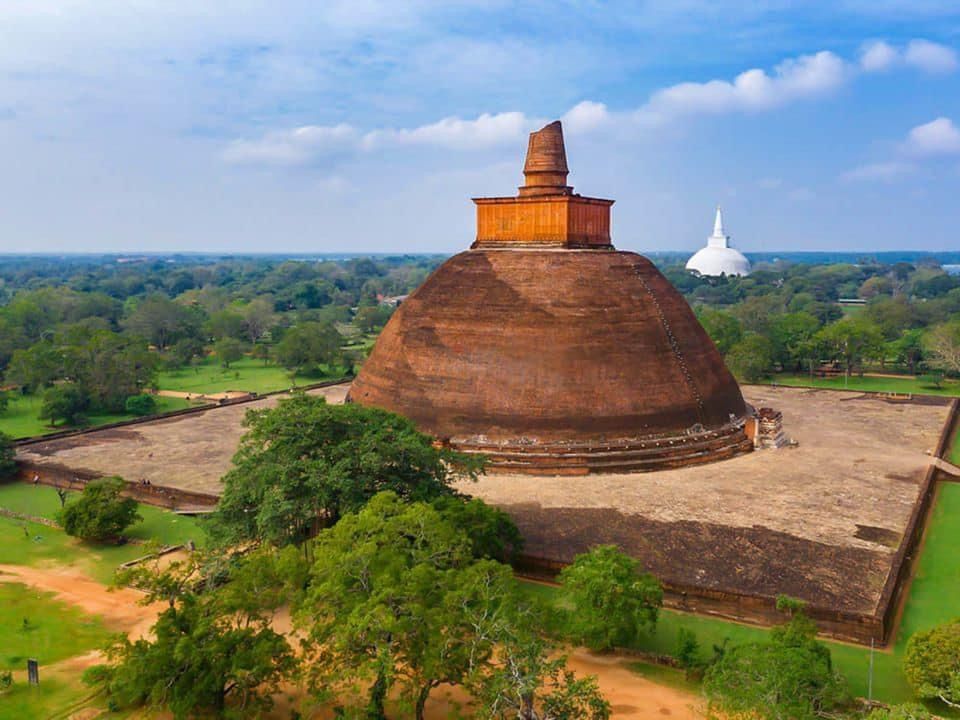
One of the most significant and awe-inspiring structures in Anuradhapura is the Ruwanwelisaya Stupa. This large, white dagoba stands at a height of 103 meters (338 feet) and is a sacred place of worship for Buddhists. Devotees visit this sacred site to pay their respects and offer prayers, creating a sense of spiritual reverence.
The Jetavanaramaya, the tallest stupa in the ancient world, is another iconic monument in Anuradhapura. Standing at a height of 122 meters (400 feet), it is a testament to the architectural marvels of ancient Sri Lanka.
The sacred Bodhi Tree, known as the Sri Maha Bodhi, is one of the most venerated trees in the world. It is believed to be a sapling from the original Bodhi Tree under which the Buddha attained enlightenment. The Sri Maha Bodhi is situated within the Mahamewna Gardens in Anuradhapura and is an essential pilgrimage site for Buddhists.
The city is home to numerous ancient monasteries (viharas) that housed thousands of Buddhist monks during its peak. Among them, the Abhayagiri Vihara and the Isurumuniya Vihara are particularly notable for their historical significance and artistic value.
Anuradhapura’s engineering brilliance is evident in its vast network of reservoirs (tanks) and irrigation canals. The Tissa Wewa, Nuwara Wewa, and Abhayawewa are some of the ancient reservoirs that continue to provide water to the region even today.
In addition to its religious and architectural wonders, Anuradhapura also possesses a wealth of archaeological and historical treasures. The Archaeological Museum in Anuradhapura displays a diverse collection of artifacts, sculptures, and relics unearthed from the city’s ancient sites, offering visitors a glimpse into its glorious past.
The city’s significance declined over the centuries due to invasions and shifting power centers. Anuradhapura was eventually abandoned and lay hidden beneath the jungle until its rediscovery during the British colonial period.
Today, Anuradhapura is not just an archaeological site but also a vibrant city where ancient heritage and modern life coexist. The local population, mostly engaged in farming and small-scale industries, continues to cherish and preserve the city’s rich cultural legacy.
In conclusion, Anuradhapura stands as a testament to the remarkable achievements of ancient Sri Lanka. Its well-preserved ruins and sacred sites offer a window into the island’s illustrious past and the profound influence of Buddhism on its culture and civilization. As a UNESCO World Heritage Site, Anuradhapura is a treasure trove of historical, architectural, and spiritual significance, attracting travelers and pilgrims from all corners of the globe.
Gallery